
Don’t use funky, impractical layouts as it can confuse customers or frustrate them. Keep it simple. View article at Perfect inspiring product page example
3oneseven

3oneseven
Last update at 01 · 04 · by milo
‧‧‧ One of 75Customers need to feel they can trust the content and that it reflects the product accurately. Listing helpful features such as dimensions, materials, or warranties will help customers make an informed decision. Clearly communicate the tangible benefits of the product to customers to set your product apart from the competition.
55% of people spend less than 12econds on any given website
so once someone arrives on your product page, you’ve only got a short amount of time to spark their interest.
The conversion rate on e-commerce homepages is around 2-2.5% on average, while the conversion rate for visitors who land directly on a product page is around 7%.
Perfect product structure

Overview of key elements on the Shopify product page to be as persuasive as possible:
1The product name
Use a clean, sleek product name that makes Information easy to remember.
2Enticing product images
Phenomenal product photography ensures visitors engage with every photo in the gallery.
3A detailed product description
Having distinct tabs to display information under, creates curiosity and interest (read: origin, funtionality, elevation, process, and detailed profile).
4Quality product videos
A separately highlighted video section for the most significant features and benefits
5Shipping information
A clear focus on the customer, their needs, and their questions.
6Returns information
Clear shipping and returns information with appropriate callouts.
7Customer reviews
TReviews are important features to keep shoppers engaged, whether they’re putting away their purchase for another date or have already bought something.
8Frequently Asked Questions (FAQ) section
Serious statistics amongst various other benefits.
9An add-to-cart call-to-action (CTA)
Add-to-cart engagement that increase Shopify conversion rates instantly.
The key elements of an effective product page

1 Product description:
Present essential facts about the product, like measurements, materials, care instructions, and any special features. Includes measurements and dimensions, materials and care instructions.
2Product images and videos:
Offer high-quality product images that show multiple angles. High-resolution product videos that showcase the product from multiple angles and depict how it looks in real life. Enable customers to zoom in and out of images.
3Product configurator (if applicable):
A product configurator enables customers to interact with a 3D rendering of a product and apply customer features such as colors, materials or upgrades. This functionality is ideal for customizable items.
4Pricing and availability:
Include pricing information as well as available discounts or promotions. Include applicable taxes, shipping and other applicable fees.
5Customer reviews and ratings:
Show customers customer reviews and ratings to create trust.
6Warranty and return policy:
Explain the warranty and return policy to help customers feel confident about their purchase and reduce the likelihood of returns or disputes.
7Frequently Asked Questions (FAQs):
Inform buyers of the warranty & return policy options and compile a FAQ list for easy access.
Structure & Intuitive Layout
Your customer should be able to know how to use your website even if they don’t understand the language. There’s a general product page layout that your online store should integrate.
Don’t use funky, impractical layouts as it can confuse customers or frustrate them. Keep it simple.
Customers can easily navigate through the website with a simple, organized layout that’s intuitive and easy to understand. With a straightforward design, your customers can discover and learn about your products with confidence.
View the perfect product page
Copywriting & the perfect product description
According to Nielsen Norman Group, the most effective product descriptions are scannable, concise, and objective. This type of content was shown to improve usability by 124%.
To create scannable content, you should include short bullet points in your product descriptions for easy reading. Concise content is 1-4 sentences describing the product. Objective content describes the product honestly rather than exaggerating benefits.
Structured data is SEO optimized
1
Page headings
Use H1 tags for the page title or main heading and H2 tags for subheadings. Frontload keywords to enable search engines to crawl the content. Make sure your page is optimized for search engines by including relevant keywords and phrases used by potential customers. With the right placement and strategic use of keywords, your page will capture more organic search traffic.
2
Product images
Use relevant keywords in image filenames and alt tags. This ensures your products will show up in search results, and that the listings are easily accessible to customers.
3
Customer reviews
Search engines view user-generated content as valuable, boosting page ranking. With reviews, your rankings and traffic can increase exponentially, positioning your site for success.
4
Schema markup
This is the structured data search engines use to characterize page content. Provide product metadata such as product title, description, price, category, and SKU. It’s a vital step to ensure shoppers can access all the information they need to make a purchase. This will help your product stay visible in search engine results.
5
Page load speed
Ensure the page loads quickly, as this is a ranking factor for search engines and directly affects conversions. A site that loads in one second has a conversion rate three-times higher than one that loads in five seconds. This chair offers superior performance with quick setup and lightning-fast page load speeds, giving your customers a better overall experience. It’s designed to not just look good, but deliver results that matter.
Product page with mobile commerce
What’s the difference between mobile commerce vs ecommerce?
Ecommerce is a broader term, referring to selling and buying online, on all devices. Mobile commerce, or mcommerce, focuses on buying and selling goods via mobile devices such as smartphones and tablets.
By 2024, there will most likely be over 187 million active mobile shoppers in the US alone.
Research has shown that mobile shoppers use their devices mainly to compare the pricing of products and services (49% of answers), redeem the mobile coupons they have been offered (40% of answers), and find out more about a product they are interested in (30% of answers).
Perfect inspiring product page examples for modern brands
The first time a prospective customer enters your ecommerce site is on a smartphone. Will it be a good first impression of your business, if the load time of your mobile website is slow and the photos of the products hide the descriptions?It’ll be the first and last step with you on their customer journey.
Store owners have to provide a great customer experience on all devices.
Perfect inspiring product page examples for modern brands




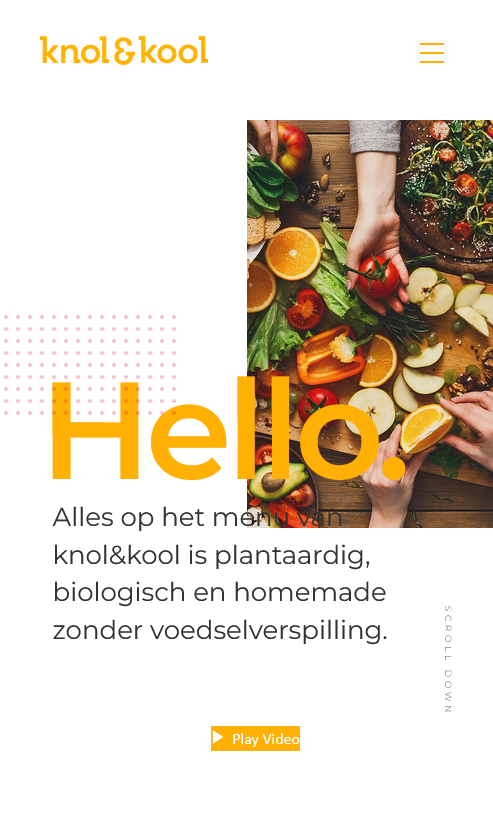
Shopify Architect
Benefit from experience of over 500+ successful launched Shopify shops.
Hire milo for your Shopify shop!
FAQ Questions
Answers to help you understand how work, collaboration, and results get delivered.
What makes 3oneseven different from other agencies?
Featuring a five-star track record in the design, setup & optimization of ecommerce stores.
Meet milo.
What information do you need from me before starting?
Details like objectives, brand assets, preferred styles, target audience, and any reference materials that help understand your vision better. Start now.
What industries do you work with?
From fresh startups to established global brands, we work with them all.
View client list.
How long does a project take?
Most projects are delivered in 4 to 8 weeks, however large migration projects tend to last uup to 3 months.
View migration service.
How do you handle international clients?
Collaborating with international teams across different time zones seamlessly.
Get to know milo.
Do you offer ongoing support?
Yes, providing maintenance and growth plans for different areas with various packages.
View all services.